Rwanda’s Youth Took the Mic on SRHR and the Room Was Never the Same Again.
Activity Date: 20 March 2026
Venue: Nobleza Hotel, Kigali, Rwanda
Partners: Dream Village | HDI | SIDA (Sweden) | Rwanda Biomedical Centre (RBC)
Imagine a room where a young woman stands before health providers, policymakers, and community leaders. Instead of being spoken about, she is the one speaking. That is exactly what happened at Nobleza Hotel in Kigali on the morning of March 20, 2026.
Organized by Dream Village, Rwanda’s youth-centred NGO working to nurture societal change agents, the Youth Dialogue Forum on Strengthening Youth-Friendly SRHR Service Delivery brought together adolescents, healthcare workers, civil society organizations, and government partners in one powerful conversation about the future of sexual and reproductive health and rights (SRHR) services for young Rwandans.
Why This Forum Mattered: The Problem Nobody Wants to Talk About
The Gap Between Policy and Reality
Rwanda has made remarkable strides in health policy. Youth-friendly services exist through health centers and YEGO Centers nationwide. Yet national data continues to show that young women aged 15 to 24 remain disproportionately vulnerable to HIV infection, and adolescent pregnancy persists as a real public health concern.
The gap is not always a lack of services. It is often a lack of voice. Young people have rarely been invited to the decision-making table. They receive health services designed without their input and delivered without their trust.
“Nothing about youth without youth” was not just the forum’s guiding philosophy. It was a call to action that echoed through every single session.
Dream Village understood this gap deeply. Through its ongoing support groups at Gitagata Rehabilitation Center and partner health facilities, the organization had seen first-hand how young people, when given a safe platform, surface insights that no policy document can fully capture.
Who Was in the Room: A Coalition Built Around Youth
Youth at the Center, Not the Margins
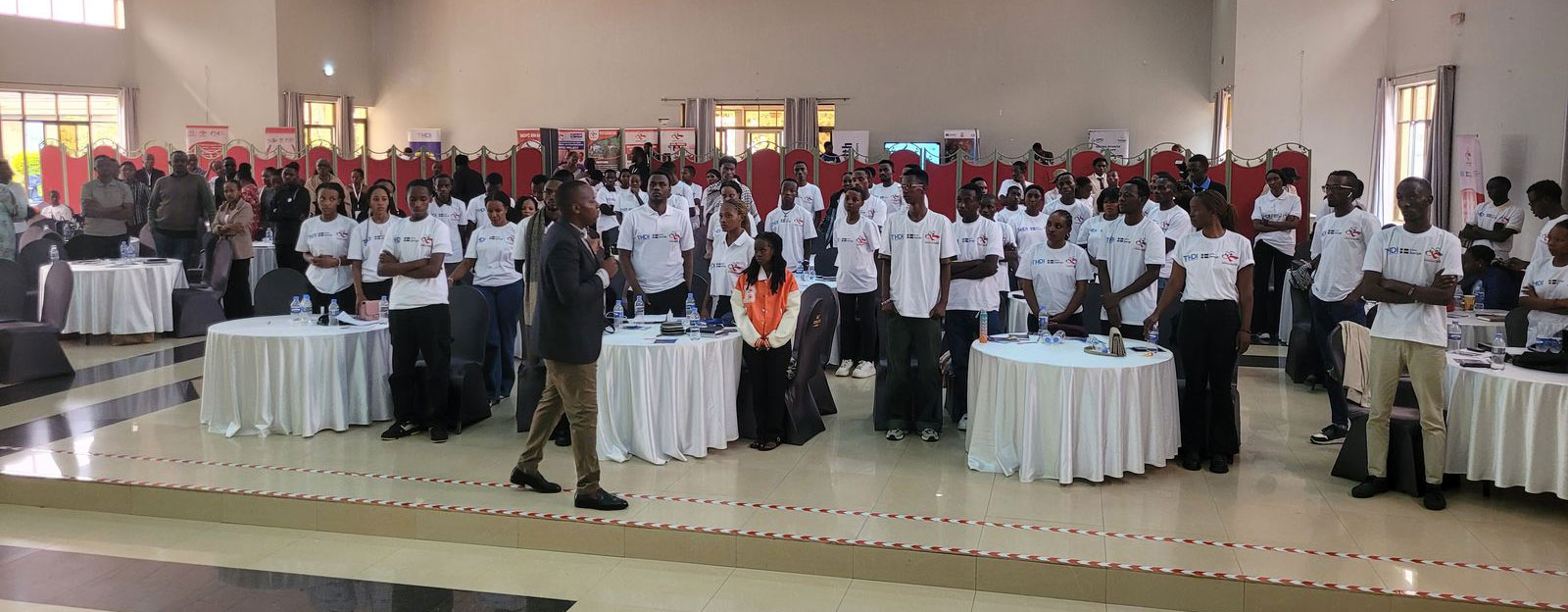
The forum’s design was intentional from the start. Unlike traditional conferences where youth are invited as guests, this dialogue positioned young people as the primary architects of the conversation. Representatives from Adolescent Girls and Young Women (AGYW) groups, YEGO Centers, SOYEE (Skills and Opportunities for Youth Empowerment and Entrepreneurship) hubs, and adolescent youth corners all took to the panel.
Seated alongside them were healthcare providers, pastors, priests, and representatives from the Rwanda Biomedical Centre (RBC), the very people whose daily decisions shape how SRHR services are accessed and experienced on the ground.
Institutional Partners Lending Real Weight
The forum was held in collaboration with the Health Development Initiative (HDI) and supported by SIDA, the Swedish International Development Cooperation Agency. The Rwanda Biomedical Centre presented on the Minimum Service Package for adolescents, grounding the dialogue firmly in national standards and expectations.
The presence of such partners was not ceremonial. It sent a clear signal: Dream Village does not operate in isolation. It operates at the intersection of community trust and national policy.
What Young People Said: Real Stories, Real Stakes
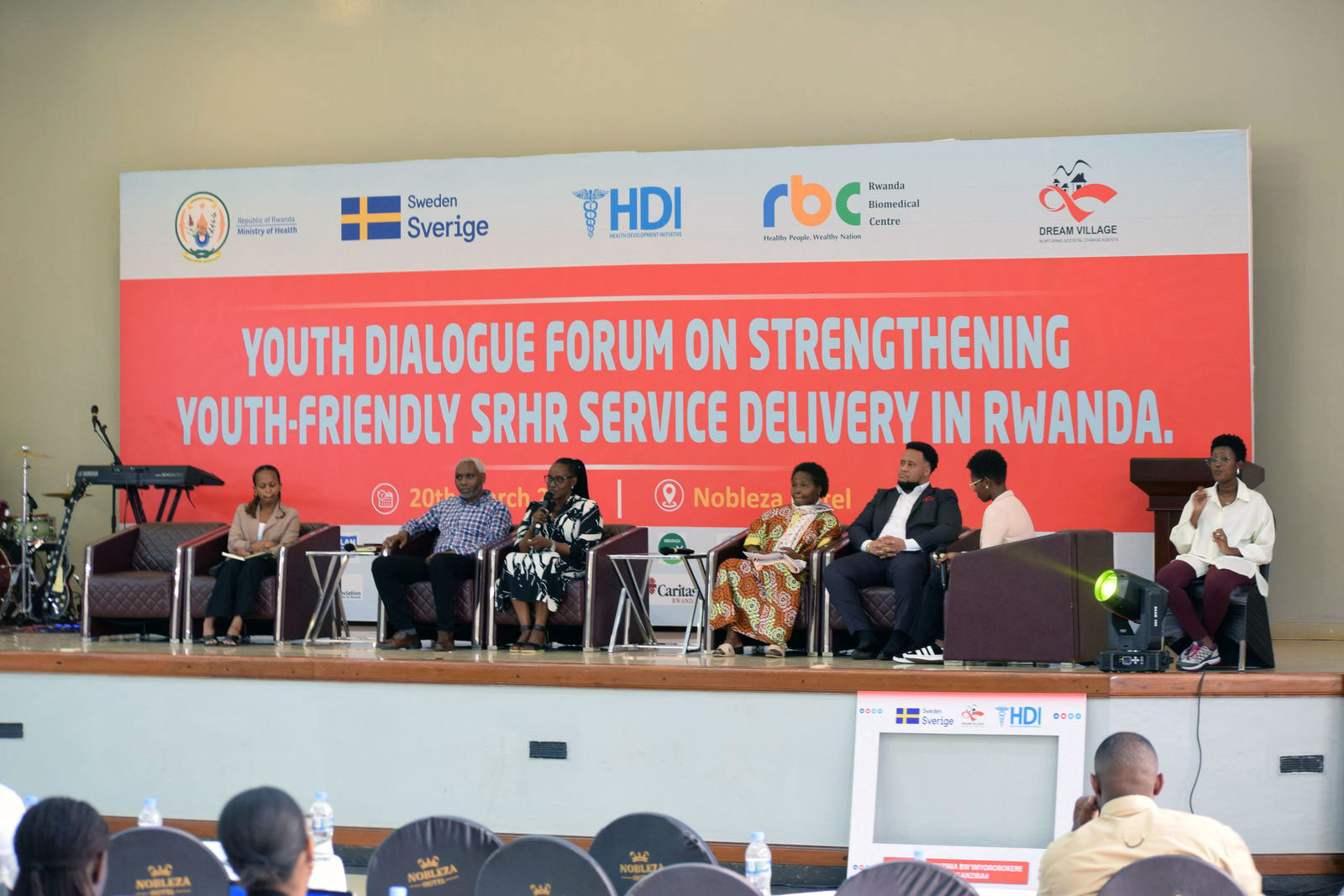
Panel Session One: Youth Voices
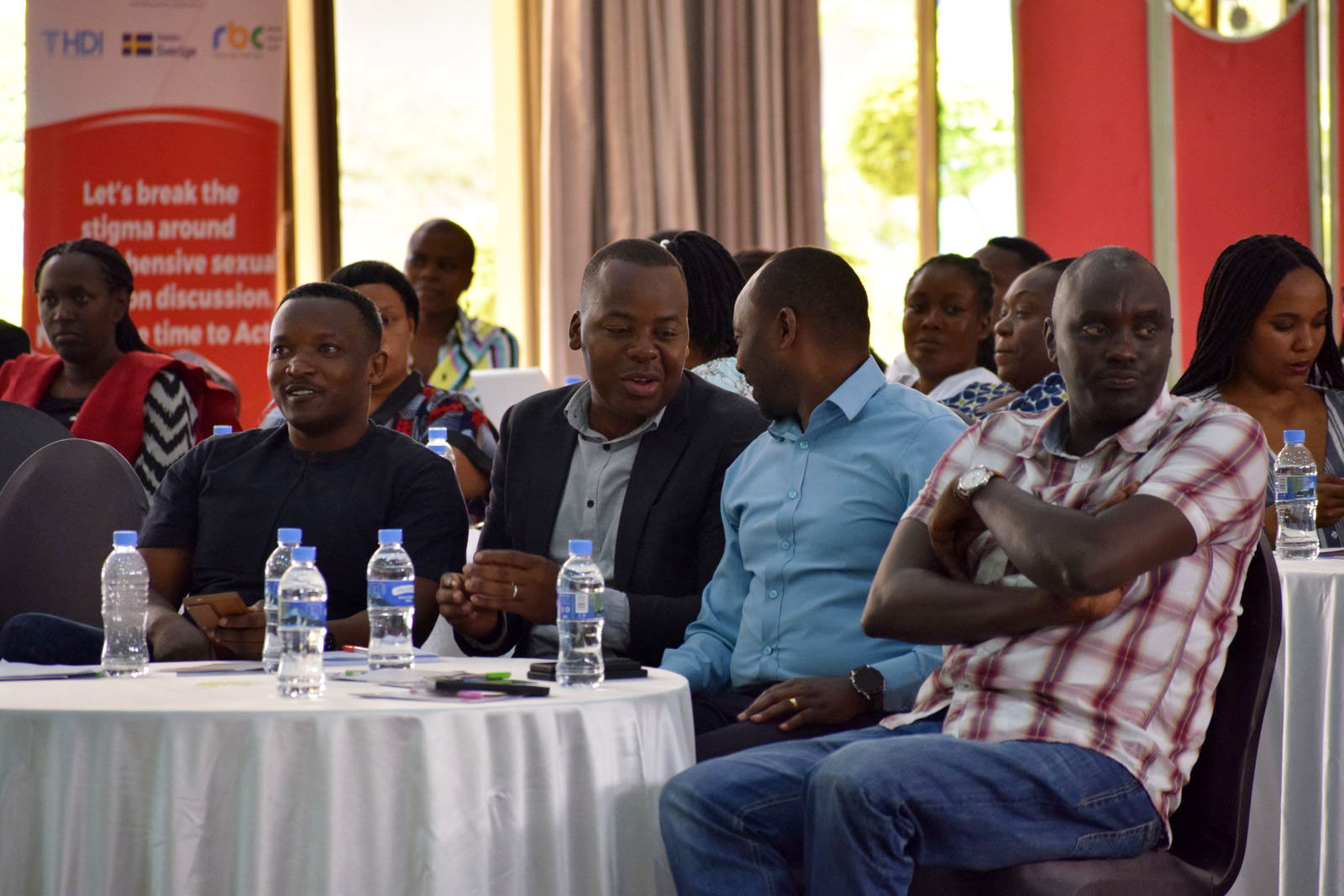
The first panel session was, in many ways, the heart of the entire day. Young people shared lived experiences as recipients of SRHR services, including the moments that worked, the moments that failed them, and the changes they need urgently.
The stories were layered and deeply human. Some spoke of reaching health facilities only to be met with judgment rather than care. Others described the shame they felt when accessing contraception or HIV services as unmarried young people. A few celebrated health workers who made them feel genuinely safe and seen.
One participant put it simply: “When I feel judged, I stop going. When I feel heard, I come back and I bring my friends.” That single sentence contains a blueprint for improving retention in adolescent health services.
Three consistent themes ran through the youth testimonies regardless of background: stigma remains a powerful deterrent to care-seeking; awareness of available services is uneven, especially inside rehabilitation centers; and the demand for peer-led approaches, where young people support each other, is overwhelming and urgent.
Panel Session Two: Service Providers and SRHR Partners
Healthcare providers and faith leaders then had the floor, not to defend the status quo, but to respond honestly to what they had heard. Several providers acknowledged the real tension between clinical protocols and adolescent-friendly care. Pastors and priests reflected on their community influence and the role that religion plays in shaping local attitudes toward SRHR.
This intergenerational exchange, which is rare in formal health dialogue, produced some of the most actionable moments of the day. It reminded everyone present that improving SRHR services is not purely a systems problem. It is also a human relationship problem, and it requires human solutions.
The SRHR Exhibition: Making Knowledge Accessible to All
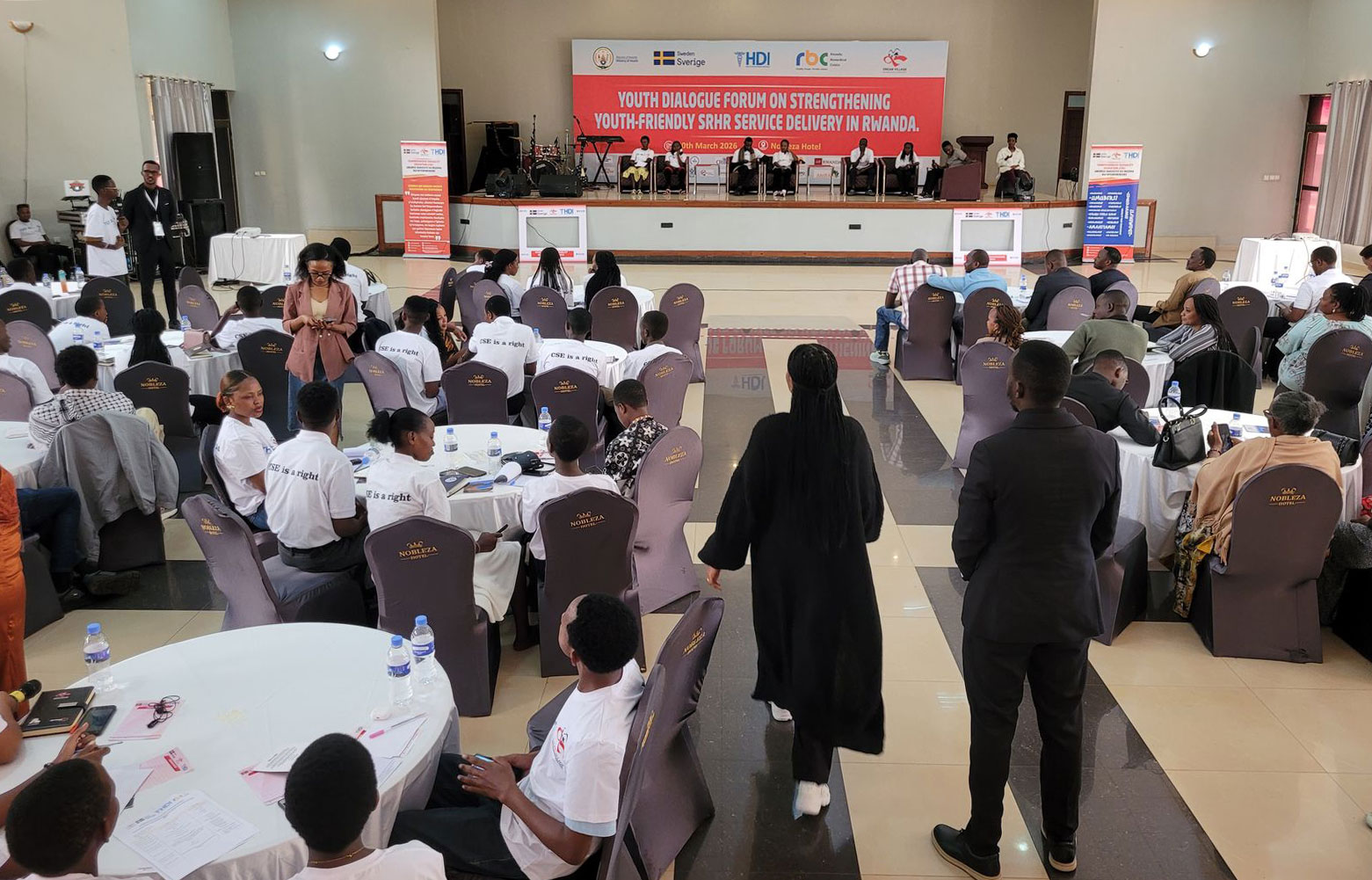
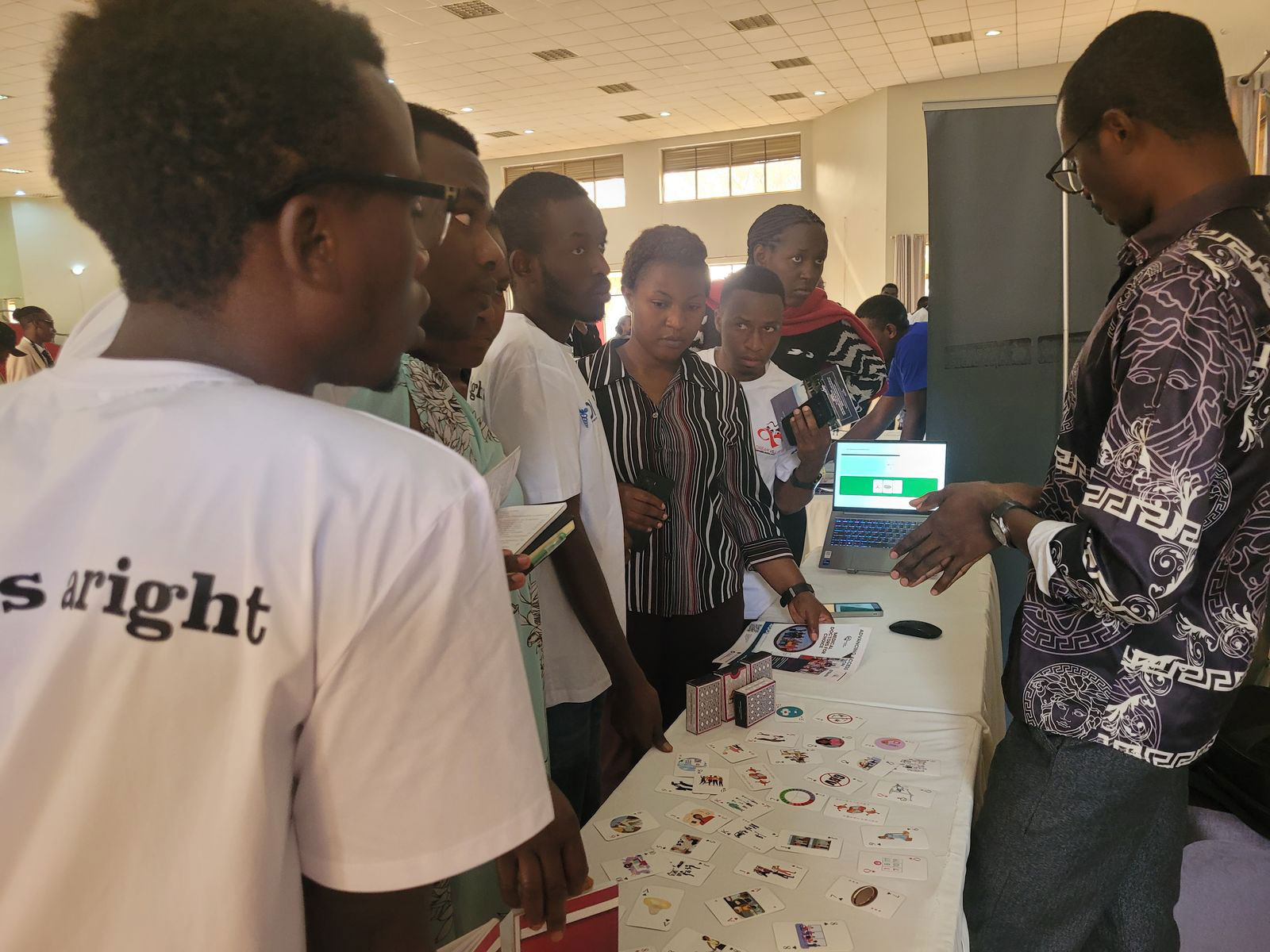
Between the panel sessions, the Nobleza Hotel venue transformed into a living resource hub. Partner organizations working in SRHR, including CSOs, health facility representatives, and Dream Village’s own program teams, set up exhibition booths to showcase their interventions, tools, and services.
For many young attendees, this was the most tangible part of the day. They could walk up to a booth, pick up information, ask questions without an audience, and leave with knowledge they could immediately act on. Think of it as a community marketplace where instead of goods, the tables were stocked with life-changing health information, referral pathways, and peer support contacts.
Dream Village’s own Comprehensive Sexuality Education (CSE) project featured prominently, a program that has already reached thousands of adolescents across 12 health facilities in three districts of Kigali.
What Dream Village Is Building: A Decade of Quiet Determination
More Than a Forum, a Movement
To understand why this dialogue matters so much, you need to understand Dream Village’s trajectory. Established in 2016 and officially registered under the Rwandan Government (No. 237/RGB/NGO/LP/06/2018), Dream Village began with one clear mission: to create an enabling environment where young people flourish, influence social norms, and improve their quality of life.
Nearly a decade later, the organization has directly reached over 7,000 young people and indirectly impacted more than 20,000 individuals. Its programs run across three interconnected pillars:
- Youth Health Care: covering the CATS project, support groups, CSE, and AGYW programming across 12 health facilities in Kigali
- Youth Empowerment: through Rwanda Nook Hub, SOYEE Hubs in Bugesera, Gatsibo, and Nyaruguru, plus vocational skills and entrepreneurship programs
- Agriculture: including Moringa production, agroforestry, and agribusiness training to strengthen food security among young people
The Youth Dialogue Forum is not a standalone event. It is one node in a wide and deliberate network of interventions, each designed to make young Rwandans not just healthier but genuinely more powerful in their own communities.
Youth Leadership Is the Architecture, Not a Feature
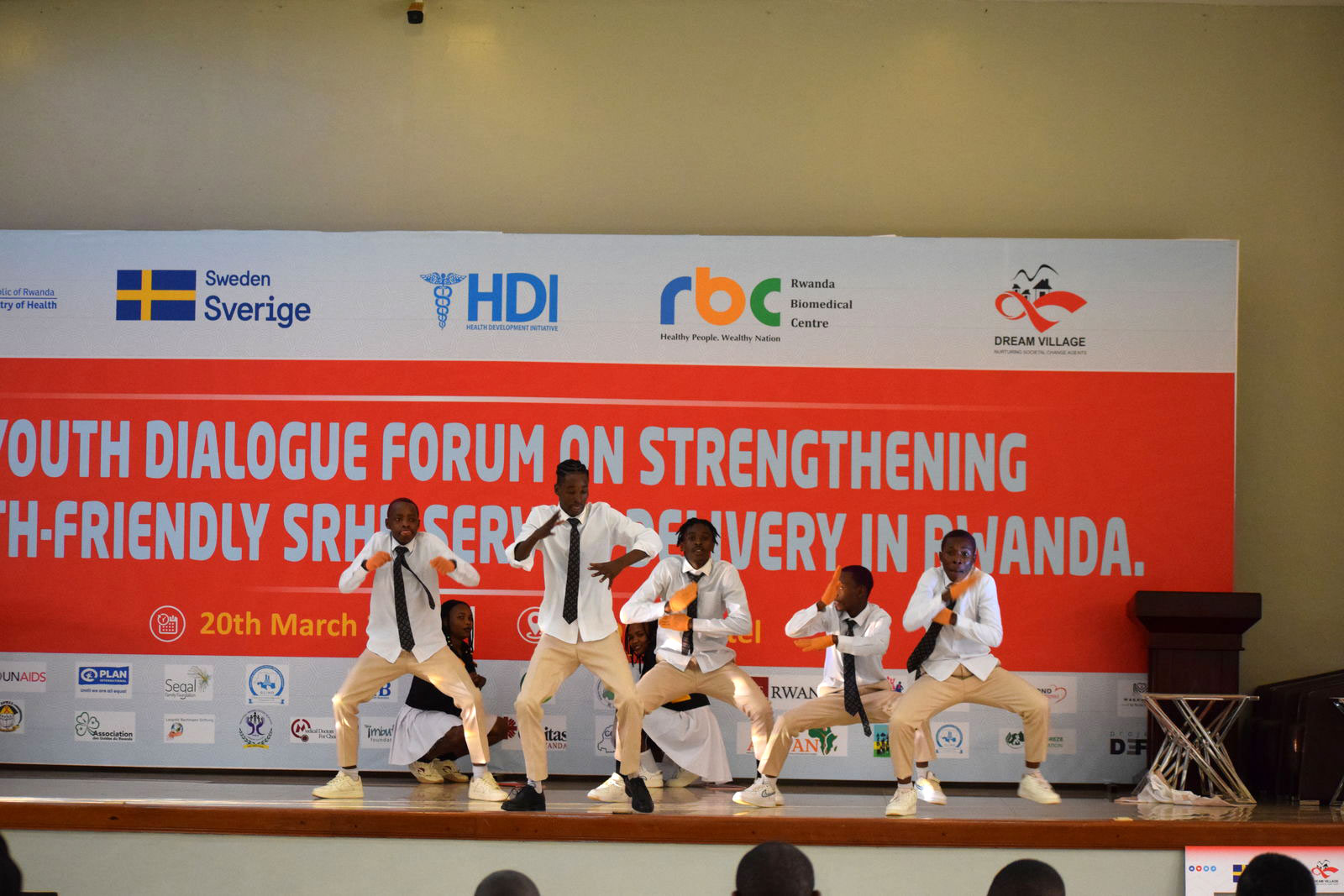
What distinguishes Dream Village from many organizations working in this space is its structural commitment to youth participation. The Dream Village Young Board (DVYB) gives young people formal governance roles within the organization. The Black Panther performing group, which delivered a celebrated performance at the forum, is not a side act. It is one of the youth-led start-ups the organization has incubated as part of its empowerment programming.
At the forum, youth did not simply attend. They opened the proceedings, performed, led panel discussions, and at the close of the day wrote collective messages capturing their commitments. Every element was designed to position young people as architects of change, not passive audiences.
What Comes Next: Turning Dialogue into Lasting Action
Recommendations That Emerged from the Day
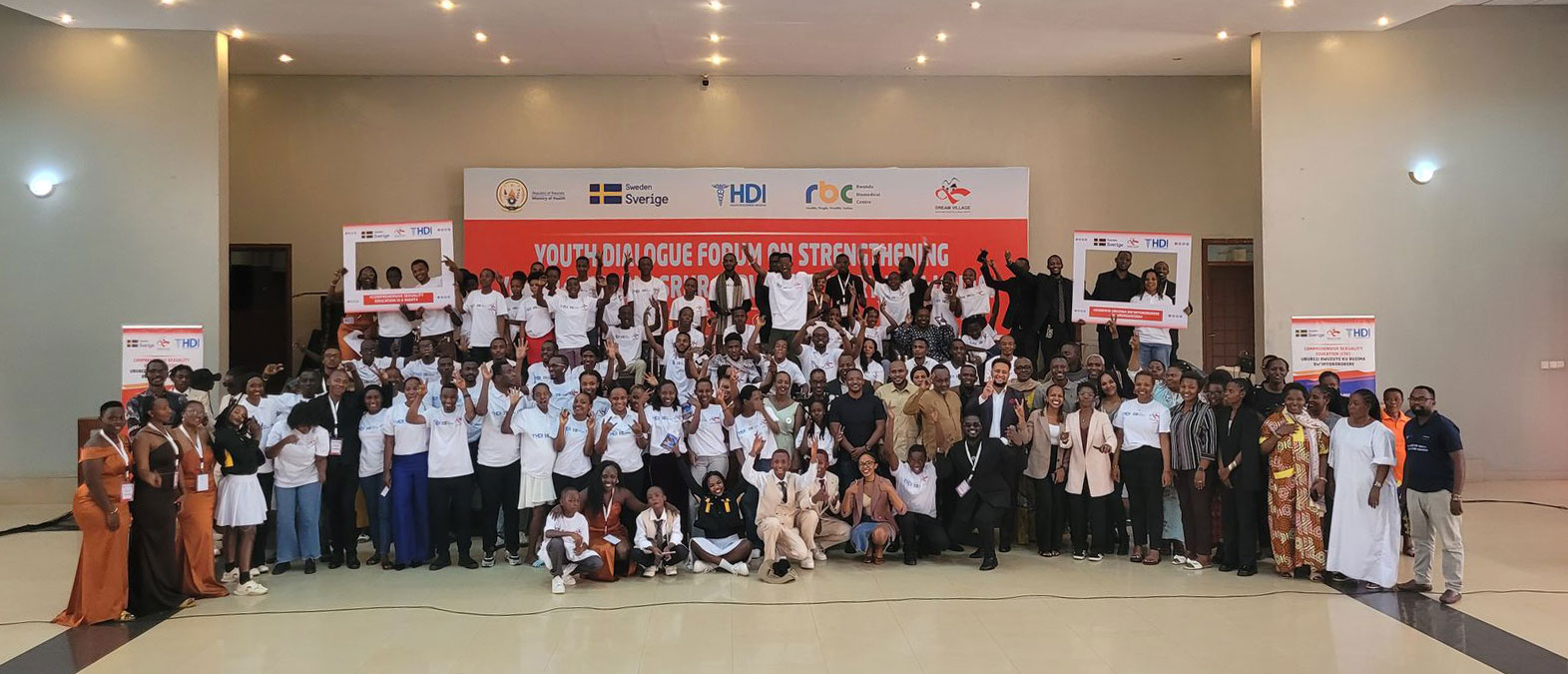
The forum closed with a structured process that is rarely seen at such events: all participants, including youth, providers, and partners, wrote messages encoding their personal commitments and recommendations. These are not symbolic gestures. Dream Village’s Monitoring, Evaluation, and Learning (MEL) framework will track them as direct inputs into ongoing program design.
Four priority areas emerged clearly from the day’s conversations:
- Scaling peer-led health models so young people themselves become the most trusted point of access in their communities
- Strengthening coordination between health facilities and community-based youth platforms to close persistent referral gaps
- Expanding CSE programming to more districts and rehabilitation centers where young people are hardest to reach
- Documenting youth-led solutions in a format that supports replication and sharing with national and regional health authorities
A Message to Partners and Donors
If you work in global health, youth development, or social impact and you are looking for an organization that has proven its model at scale, Dream Village deserves your serious attention. It is not building programs around youth. It is building programs with youth, in a country that has shown the world what accountable, mission-driven development looks like.
The Youth Dialogue Forum on March 20, 2026 offered clear evidence of what becomes possible when an NGO has the courage to genuinely put young people in charge of the conversation. The room at Nobleza Hotel shifted after they spoke. Rwanda’s health system should follow.
Conclusion: When Youth Speak, Systems Change
A dialogue forum might sound like a soft intervention in a world that measures impact in numbers. But consider this: when a young woman in Kigali learns she can access HIV services without being judged, she seeks care. When she seeks care, she stays healthy. When she stays healthy, she finishes school, supports her family, and becomes the change agent that Dream Village always believed she was.
That chain reaction, from a single conversation to a transformed life, is exactly what Dream Village set in motion on March 20, 2026. And it is what this organization has been building, with quiet determination and remarkable consistency, since 2016.
The best SRHR systems do not just deliver services. They earn trust. Dream Village is in the business of building that trust, one young person, one conversation, and one community at a time.
JOIN THE MOVEMENT |
| Dream Village is actively seeking partners, donors, and allies who believe in the power of youth-led change. If you are ready to invest in a proven model, reach out today. |
| Dream Village Office: +250 788 266041 |
| Follow. Share. Amplify. Because every young person in Rwanda deserves to be heard. |