Moringa Project
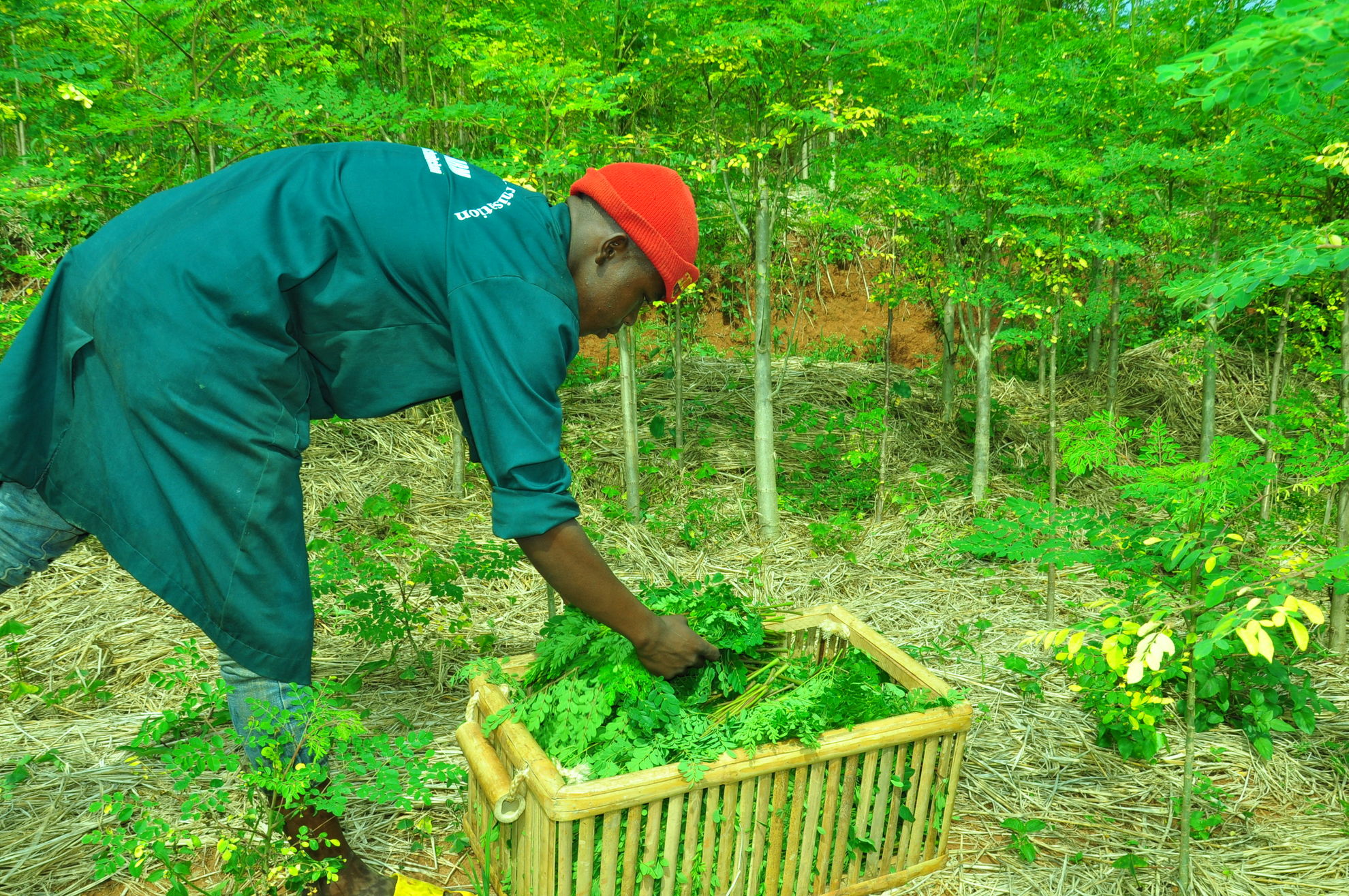
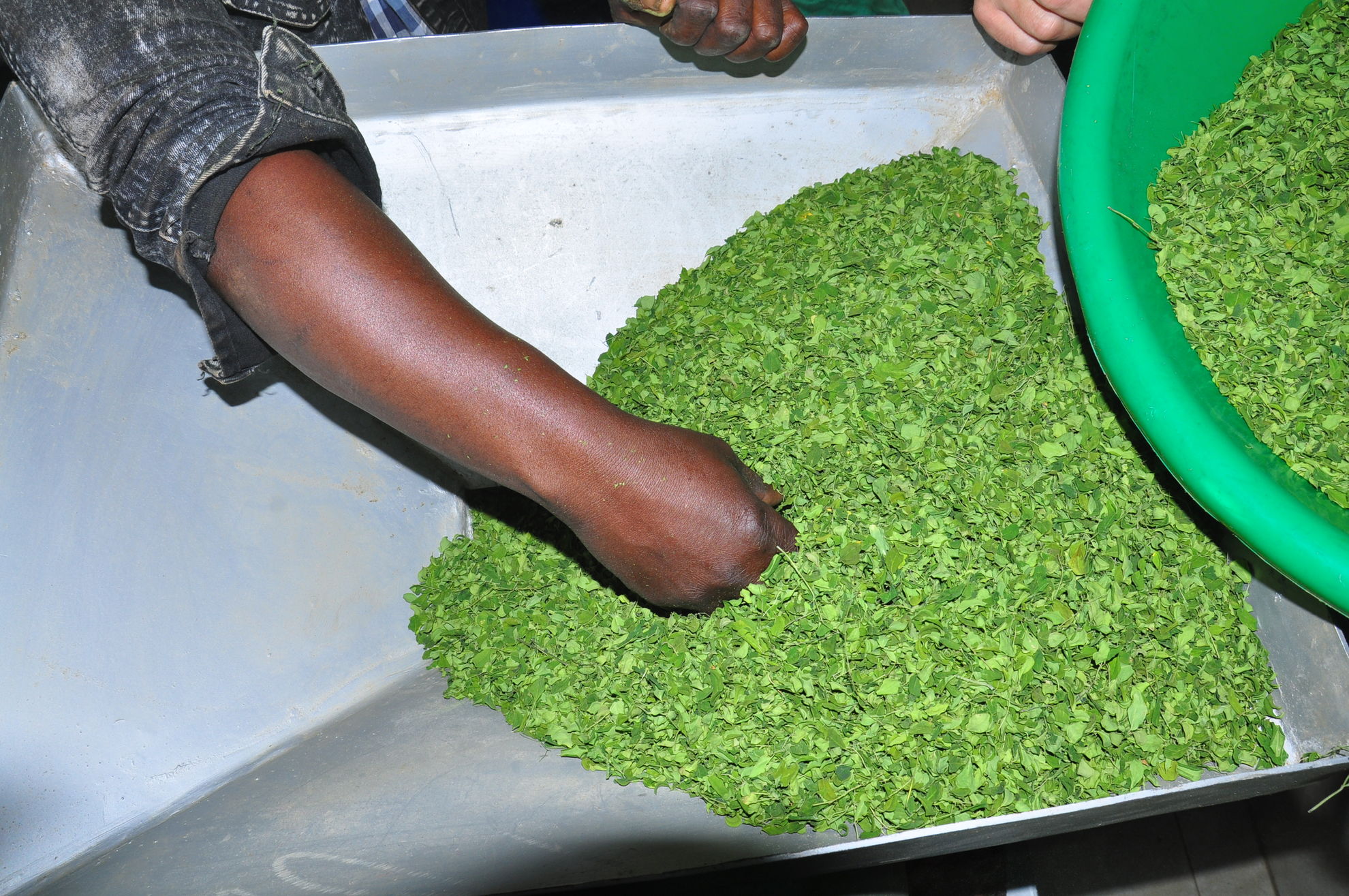
Moringa oleifera, also known as the “tree of life” or “miracle tree,” is classified as an important herbal plant due to its immense medicinal and non-medicinal benefits. Traditionally, the plant is used to cure wounds, pain, ulcers, liver disease, heart disease. Moringa oleifera and also provide insight into its commercial and phytopharmaceutical applications. Studies have shown that M. oleifera is among the cheapest and most reliable alternatives for good nutrition. Nearly all parts of the tree are used for their essential nutrients. M. oleifera leaves have a high content of beta-carotene, minerals, calcium, and potassium. Dried leaves have an oleic acid content of about 70%, which makes them suitable for making moisturizers. The powdered leaves are used to make many beverages.
Moringa for Nutrition & Health
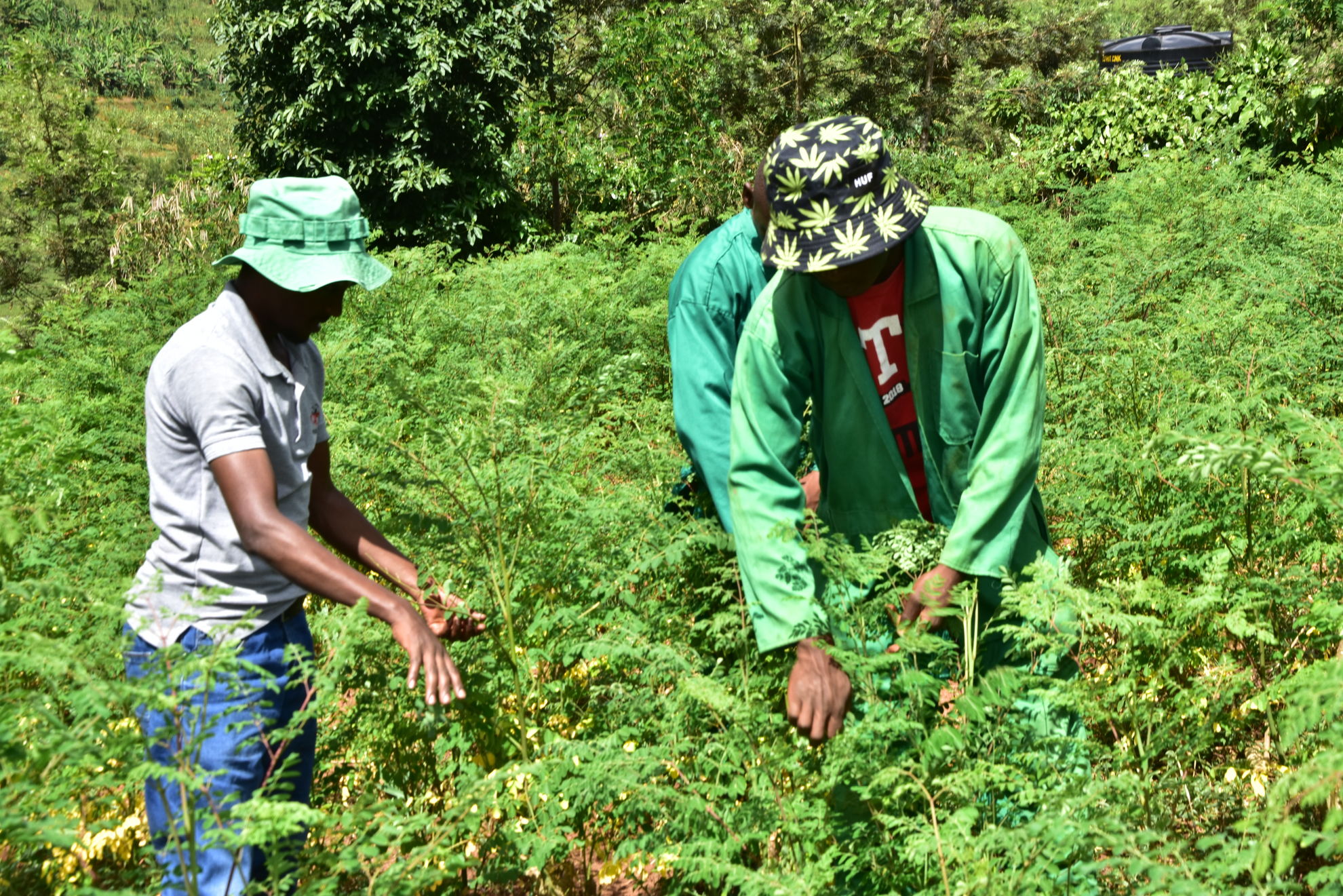
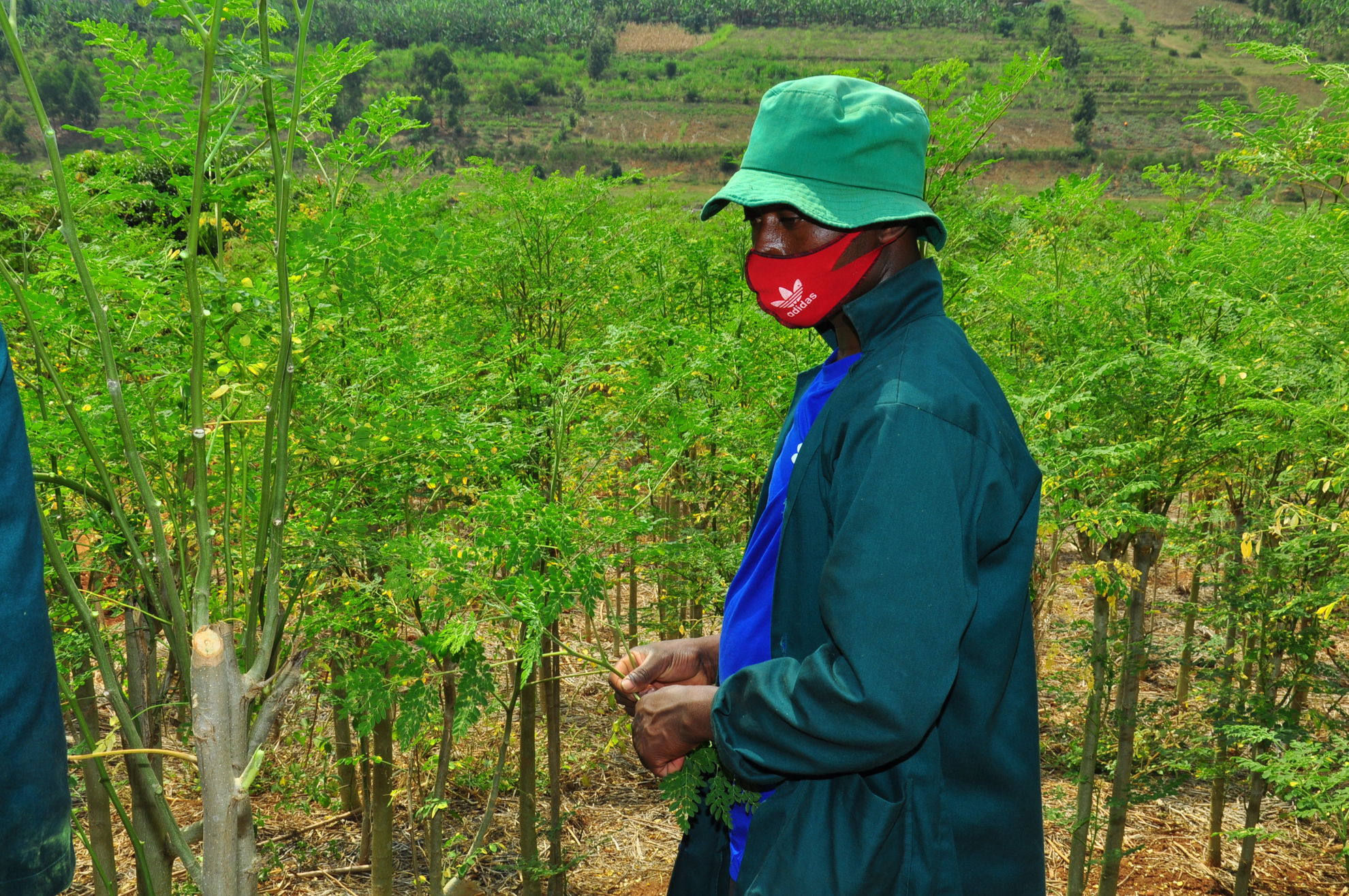
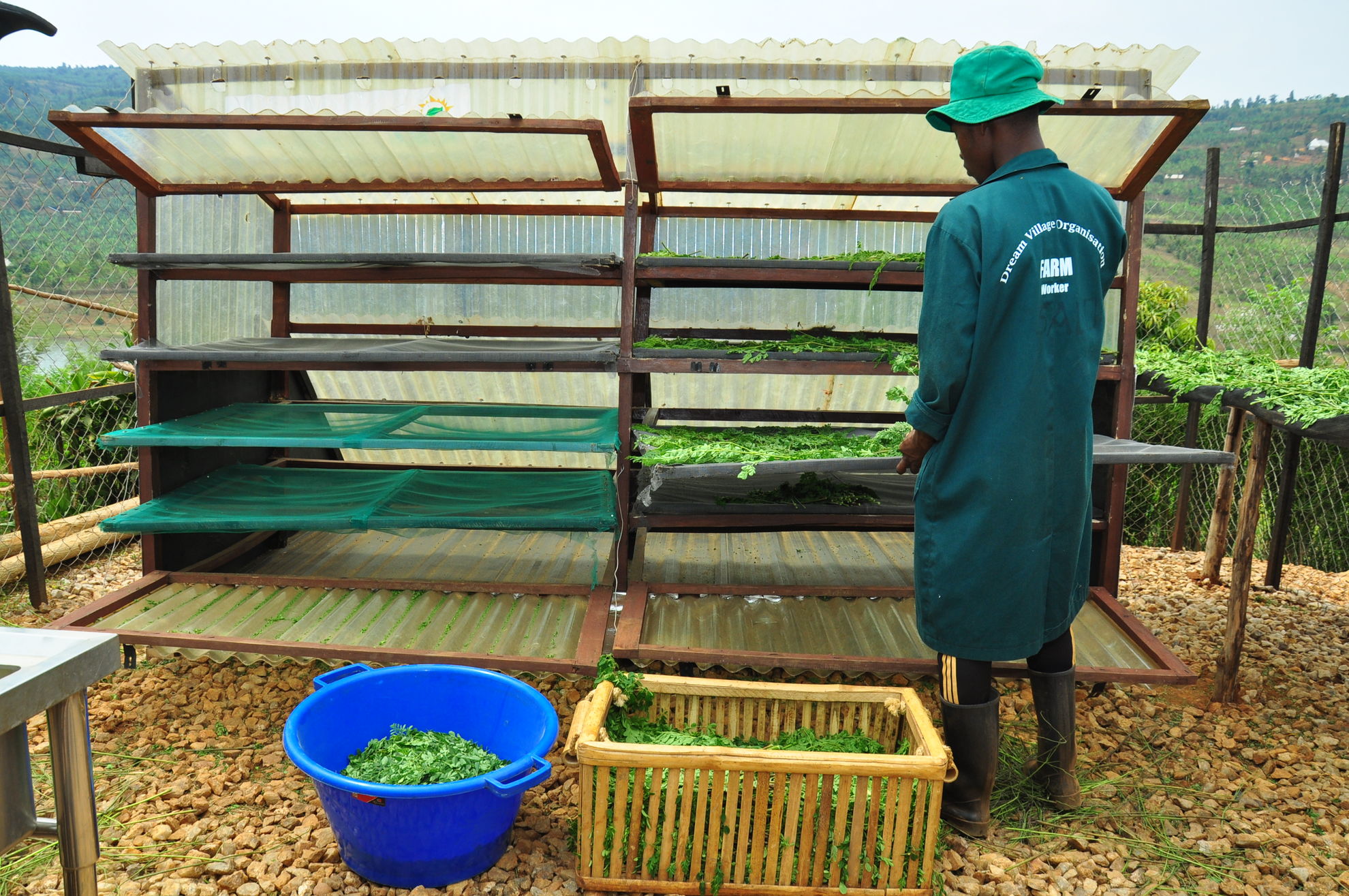
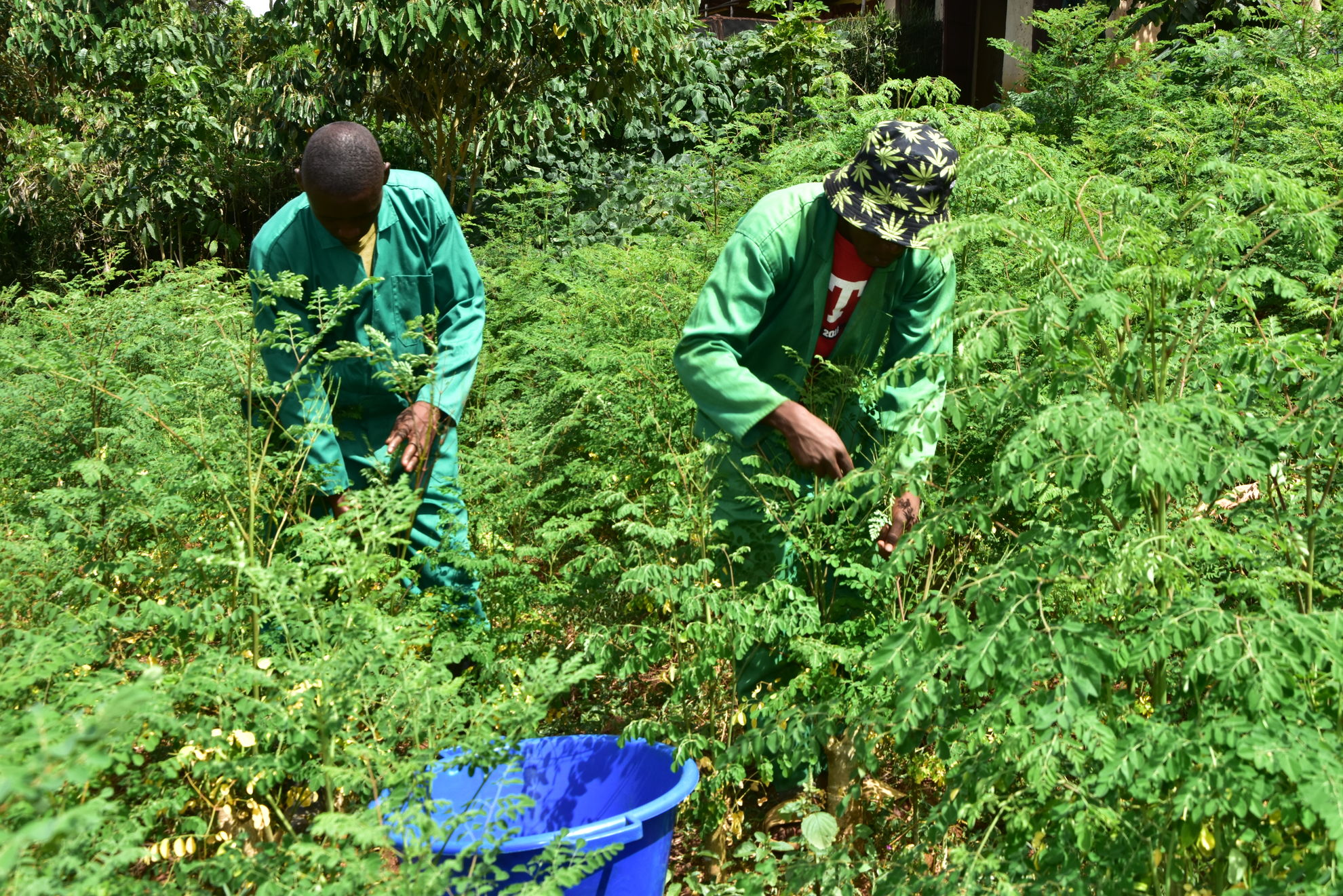
Dream village involvement in Moringa cultivation, processing and packaging is for both health benefits to the community it serves and a source of local generated revenue for organization sustainability.
Frequently Asked Questions
What are the health benefits of Moringa?
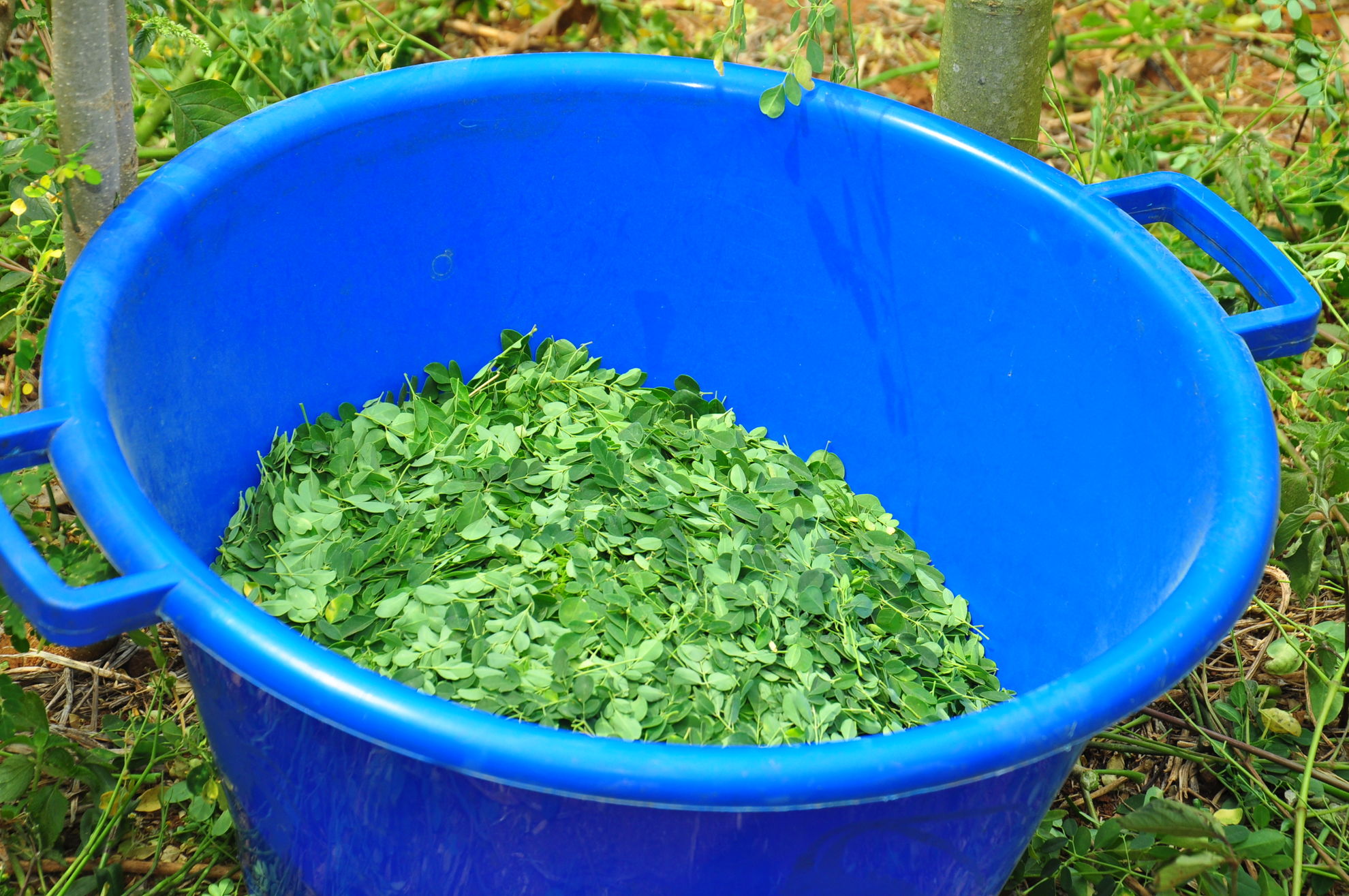
Moringa leaves are packed with essential vitamins and minerals, such as: Vitamin A boosts eye health and immune function, Vitamin C supports immune system and skin health, Calcium strengthens bones and teeth, Iron helps prevent anemia, and Potassium regulates blood pressure
How is Moringa used in Rwanda communities?
In Rwanda, Moringa is increasingly being recognized and used in communities for its nutritional, medicinal, and economic benefits. Though not traditionally widespread, awareness and use have grown due to health campaigns, agricultural programs, and nutrition education.
Does the Moringa project also provide economic opportunities?
Yes, Moringa projects in Rwanda do provide important economic opportunities, especially for smallholder farmers, women’s groups, youth cooperatives, and local entrepreneurs.
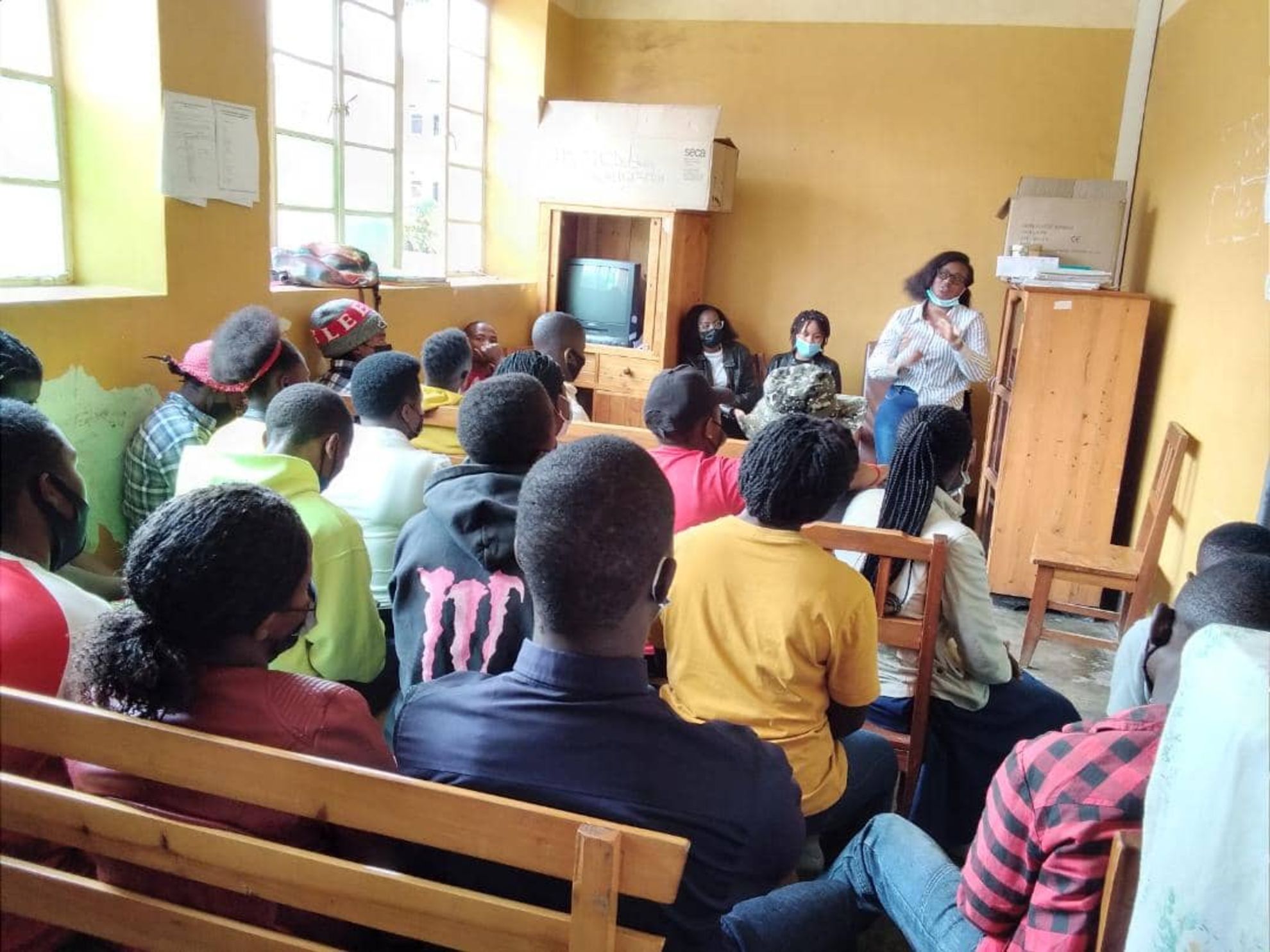
Can young people learn how to process Moringa products?
Yes, young people can learn how to process Moringa products