Agroforestry
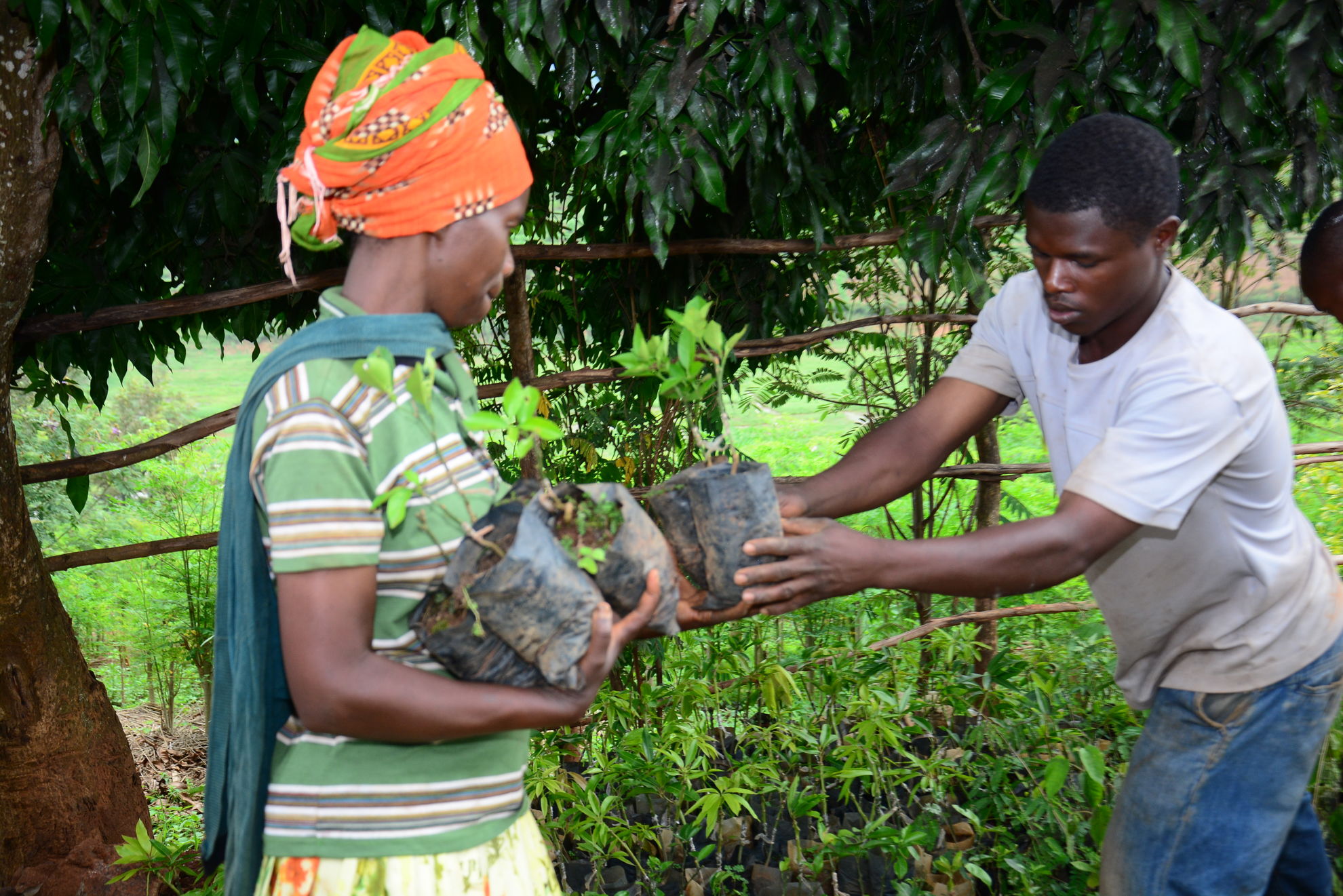
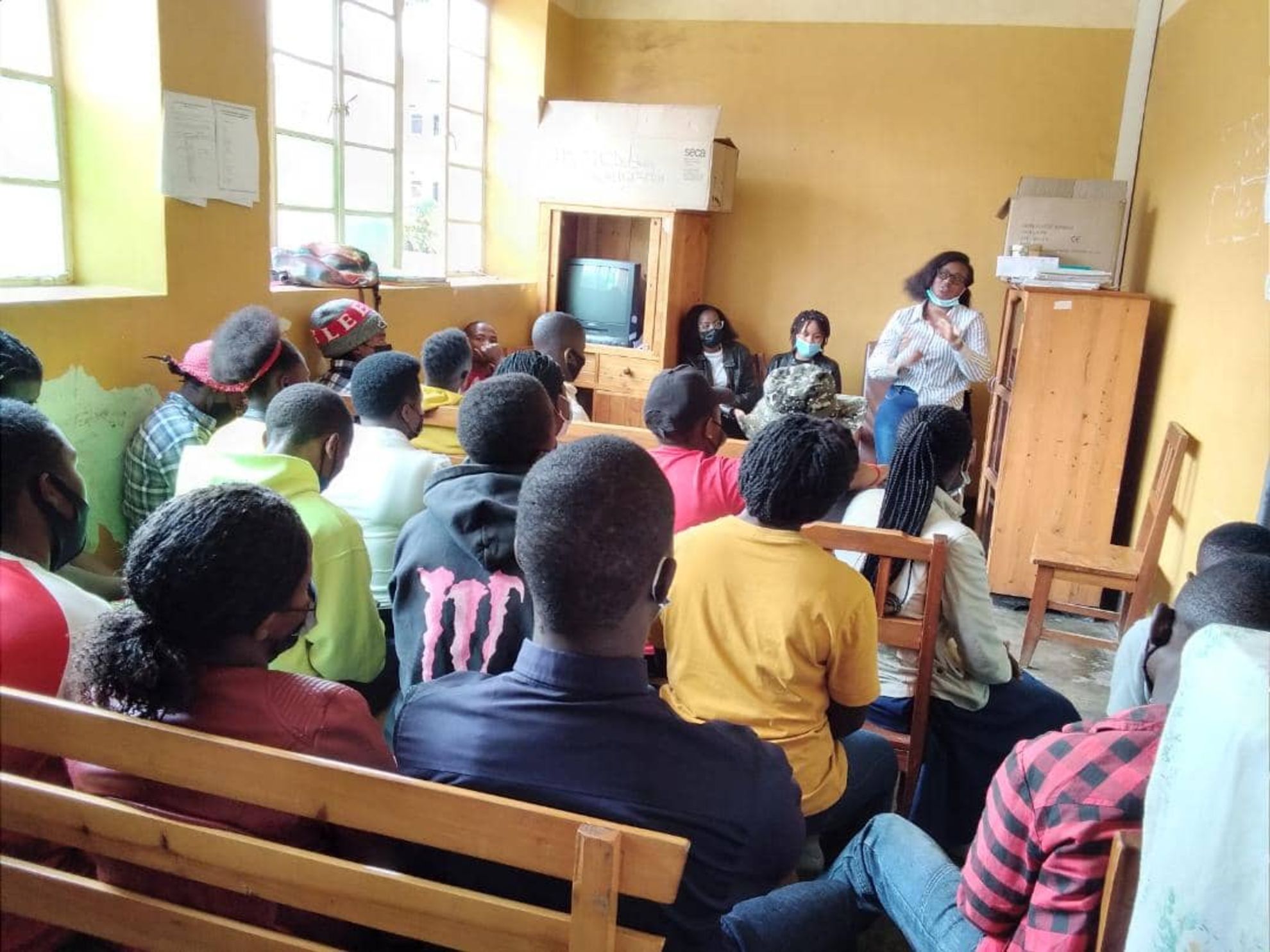
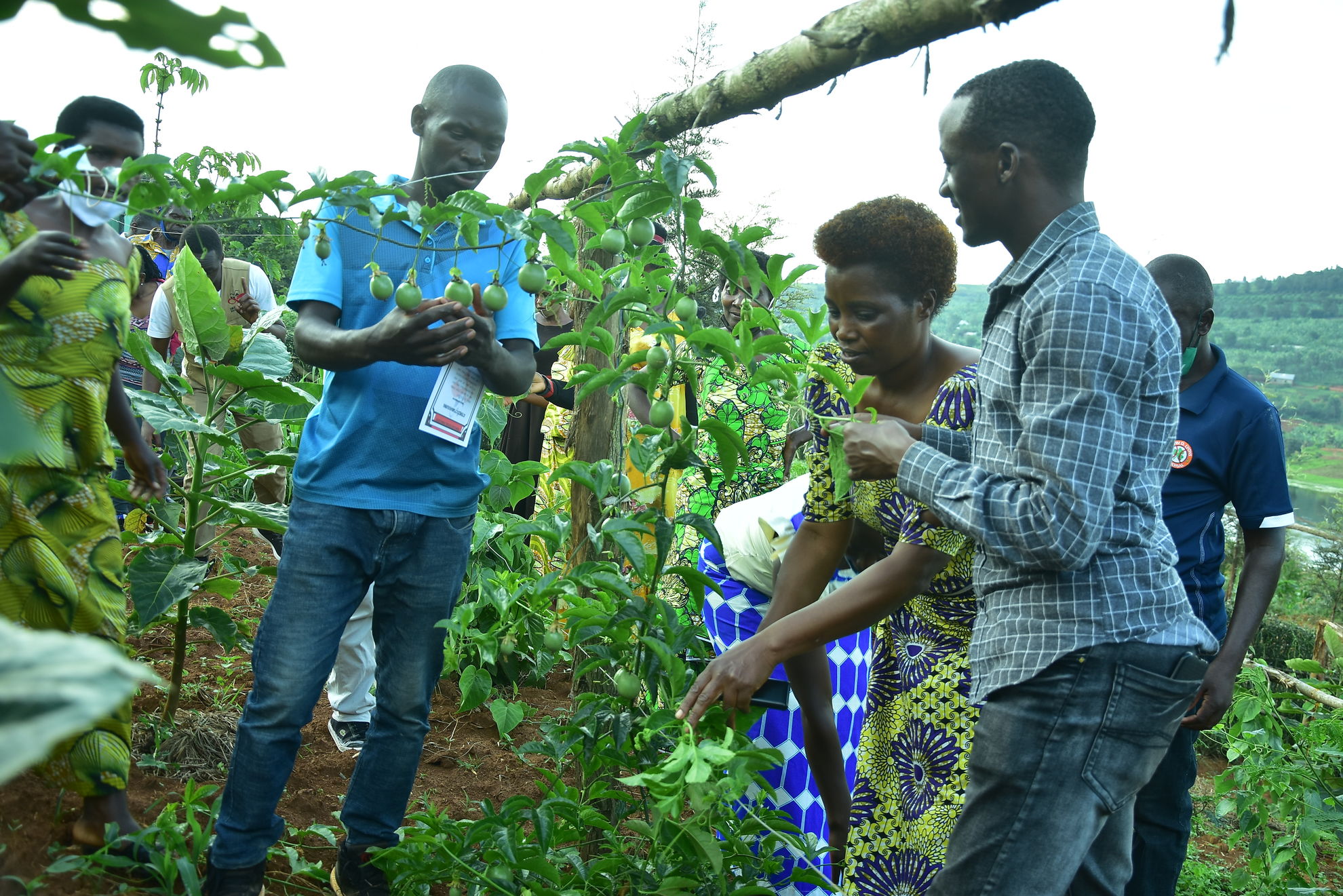
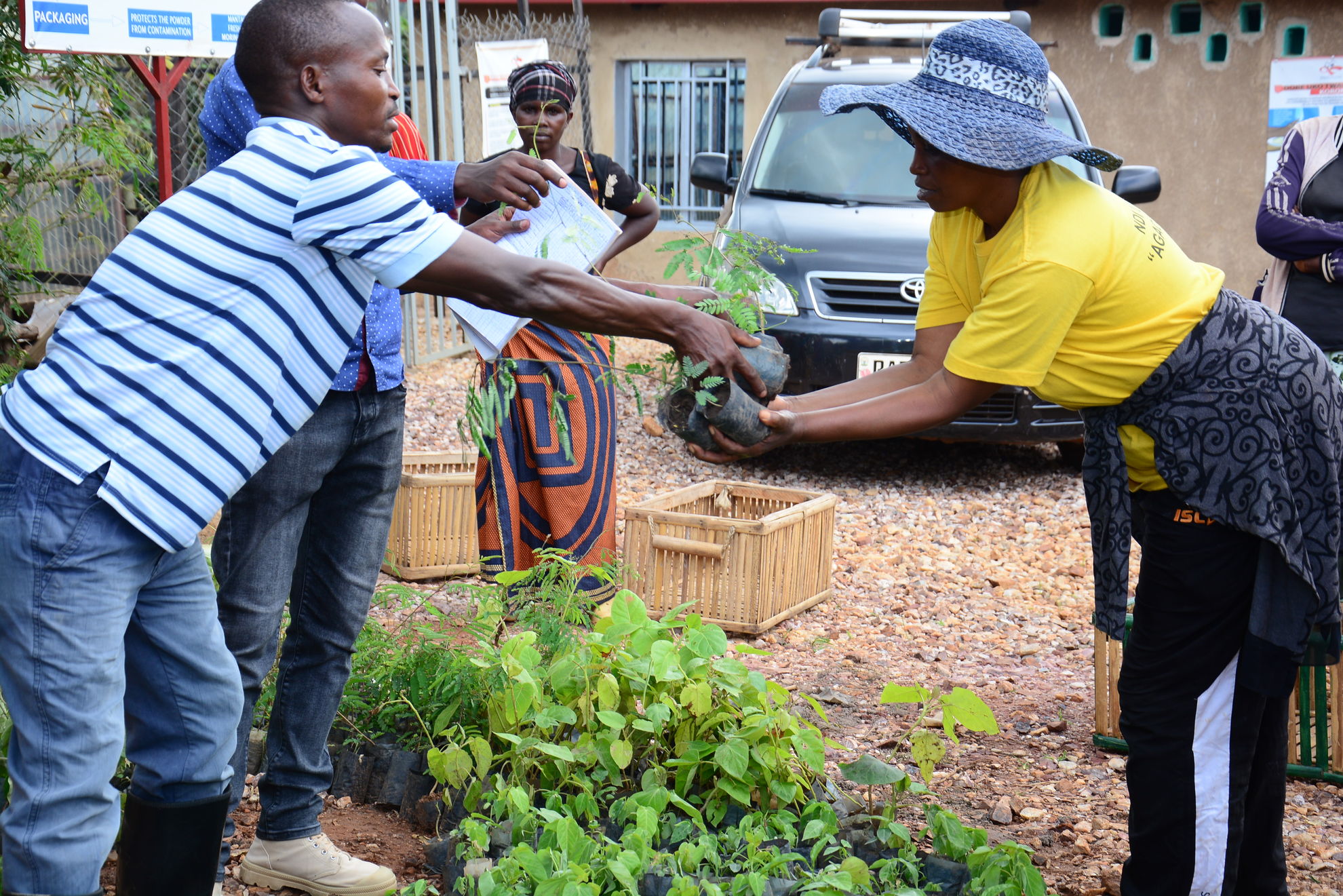
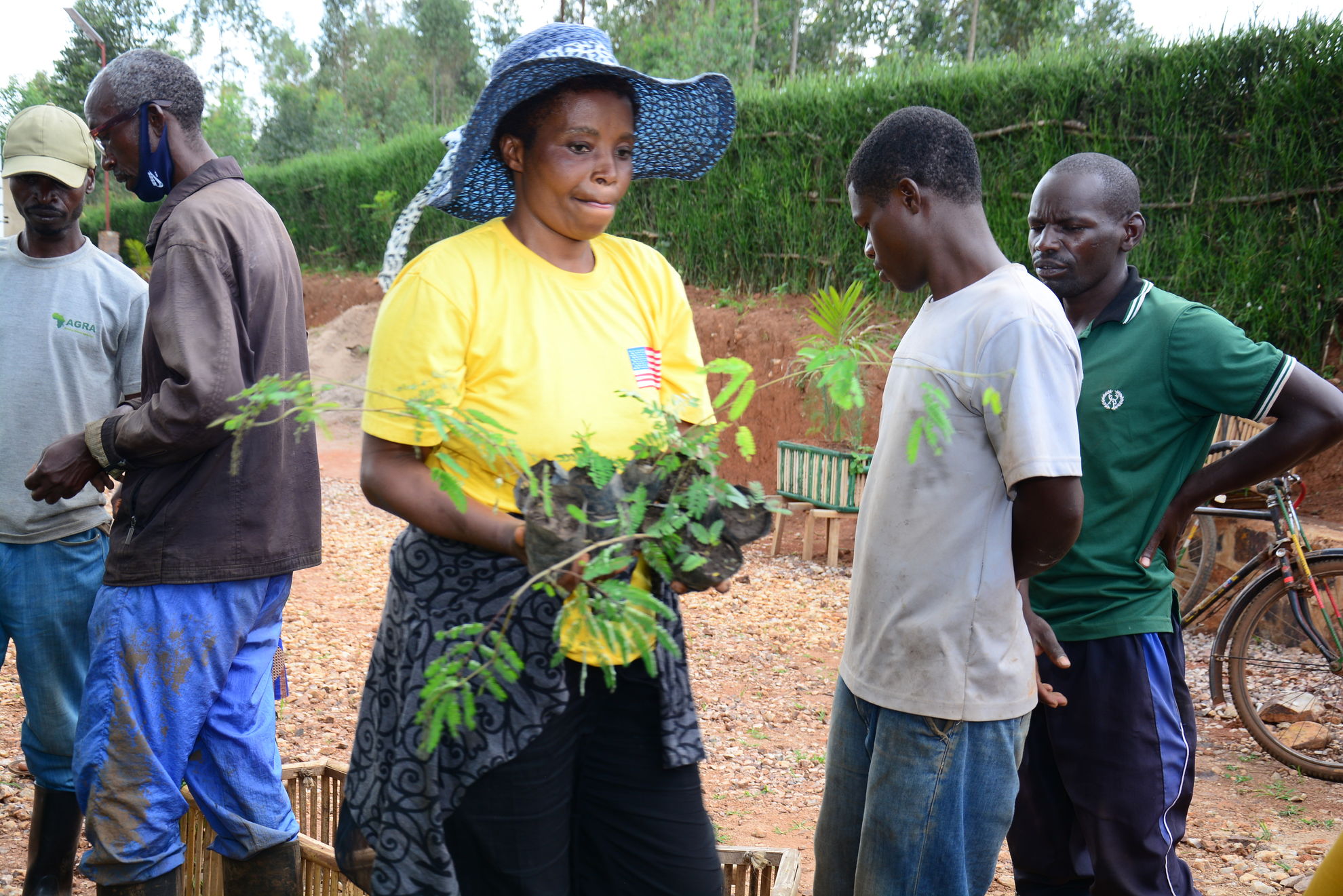
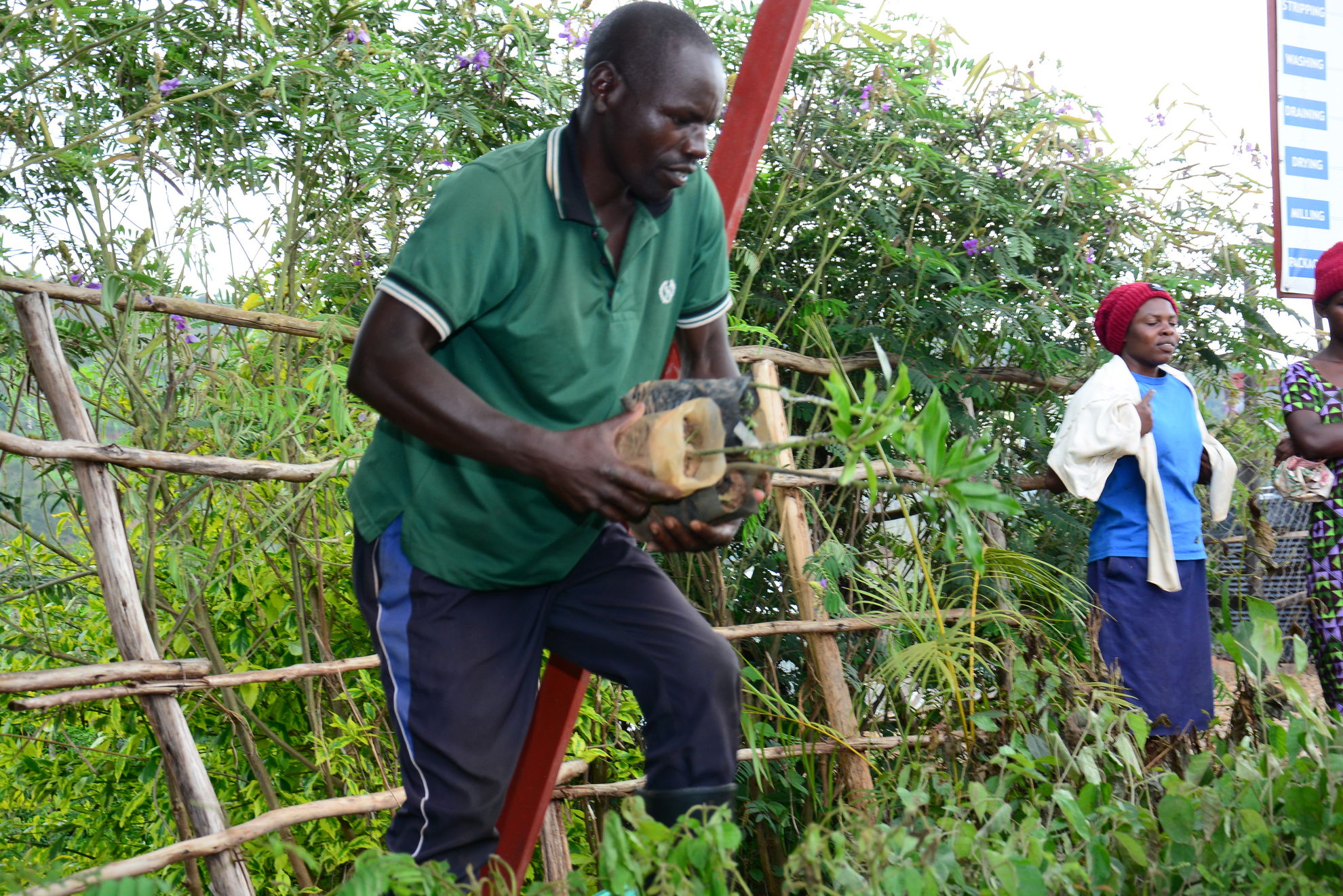
In order to have a strong and sustainable economy, it is important for the people to protect the climate, protect the environment including the land (environmental protection and soil conservation and management), and take the lead in conserving their property. On this journey towards sustainable development, Dream Village encourages young people and communities to practice agroforestry as it supports communities get agro-forestry trees to help them get food, money, take care of their livestock and trees to take better care of the soil, fertilize it, accommodate the pollinators, and even help reduce greenhouse gases. The knowledge from agroforestry empowers communities to change their lives economically granting enough food and other resources for development that lead to sustainable life.
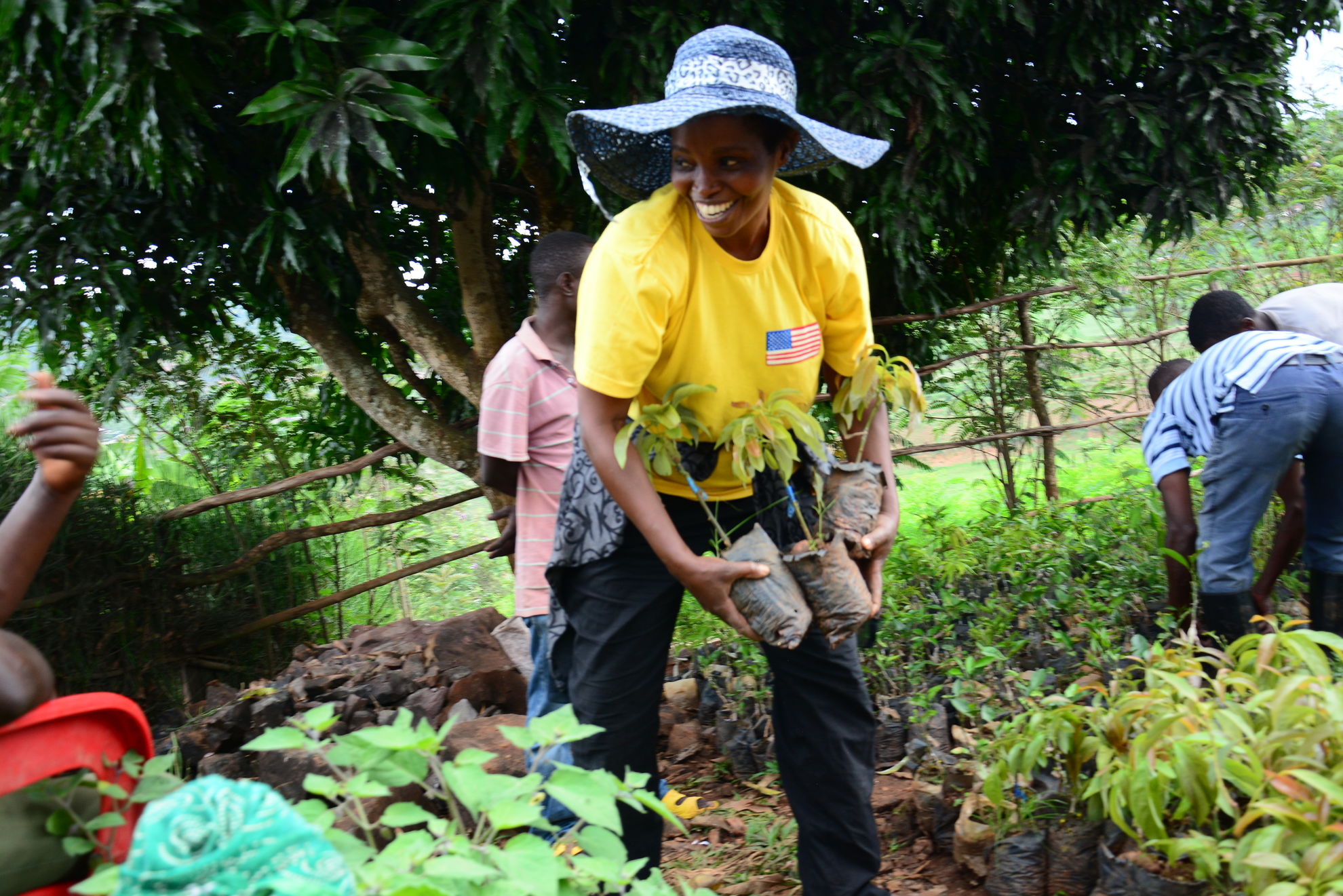
Sustainable Agriculture & Nutrition
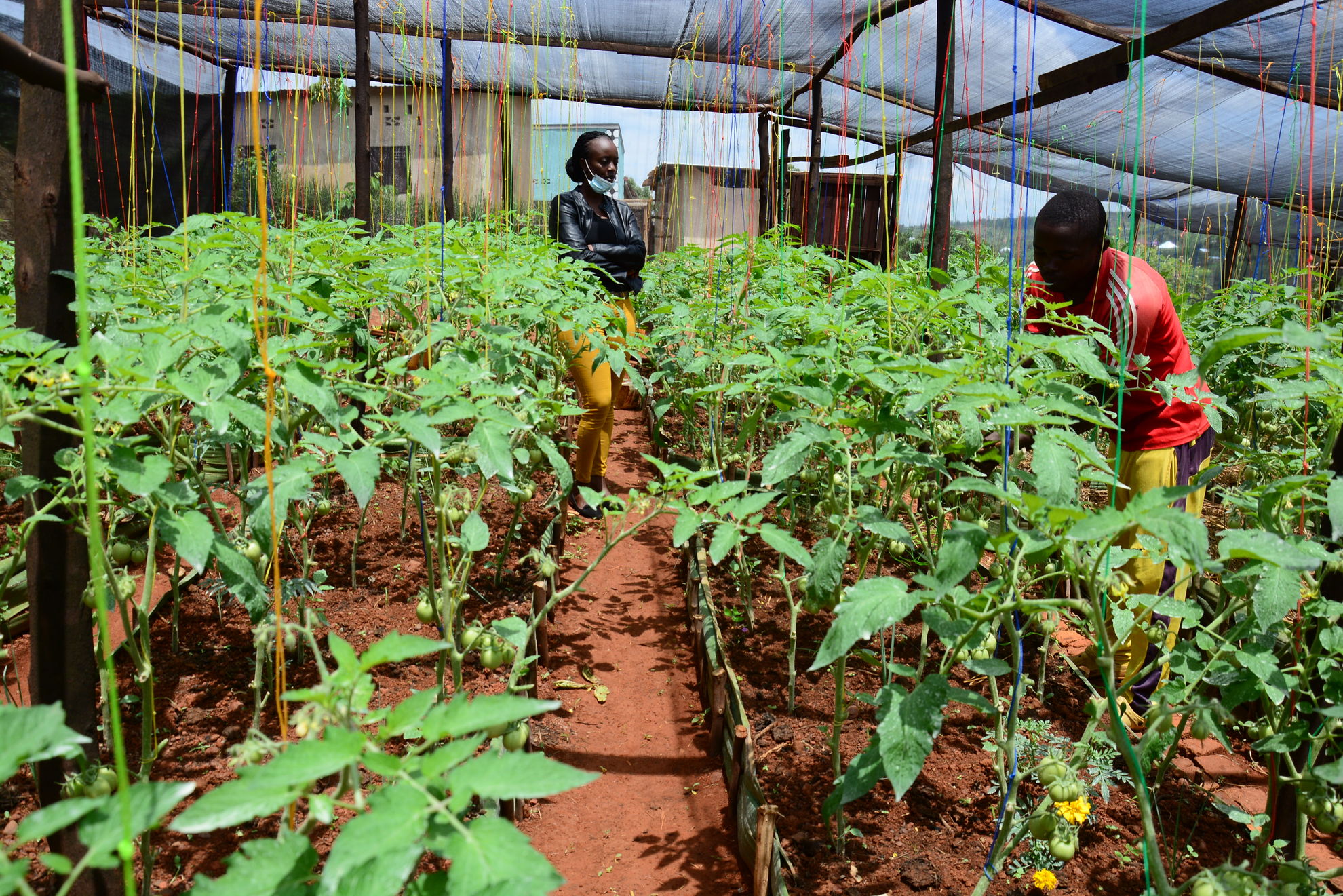
Promotes climate-smart farming, soil conservation, and sustainable agriculture to improve food security and income generation.
Frequently Asked Questions
What is agroforestry and why is it important in Rwanda?
Agroforestry is a land-use management system that combines trees and shrubs with crops or livestock on the same piece of land. It creates integrated and sustainable agricultural systems that benefit both the environment and the people. Rwanda, a small, densely populated, and largely agricultural country, faces challenges like soil erosion, deforestation, and declining soil fertility. Agroforestry is important for Rwanda to address the above.
How does agroforestry improve food and income for communities?
Agroforestry improves food and income for communities by creating diverse, productive, and sustainable farming systems.
Who participates in Dream Village agroforestry projects?
The young people supported by dream village and the communities around the organisation farm.
Does agroforestry also help with climate change adaptation?
Yes, agroforestry plays a major role in helping communities adapt to climate change – especially in vulnerable countries like Rwanda through Increases Resilience to Weather Extremes, improving Soil Health, enhancing Water Management, diversifying Livelihoods, protecting local Ecosystems among others.